

























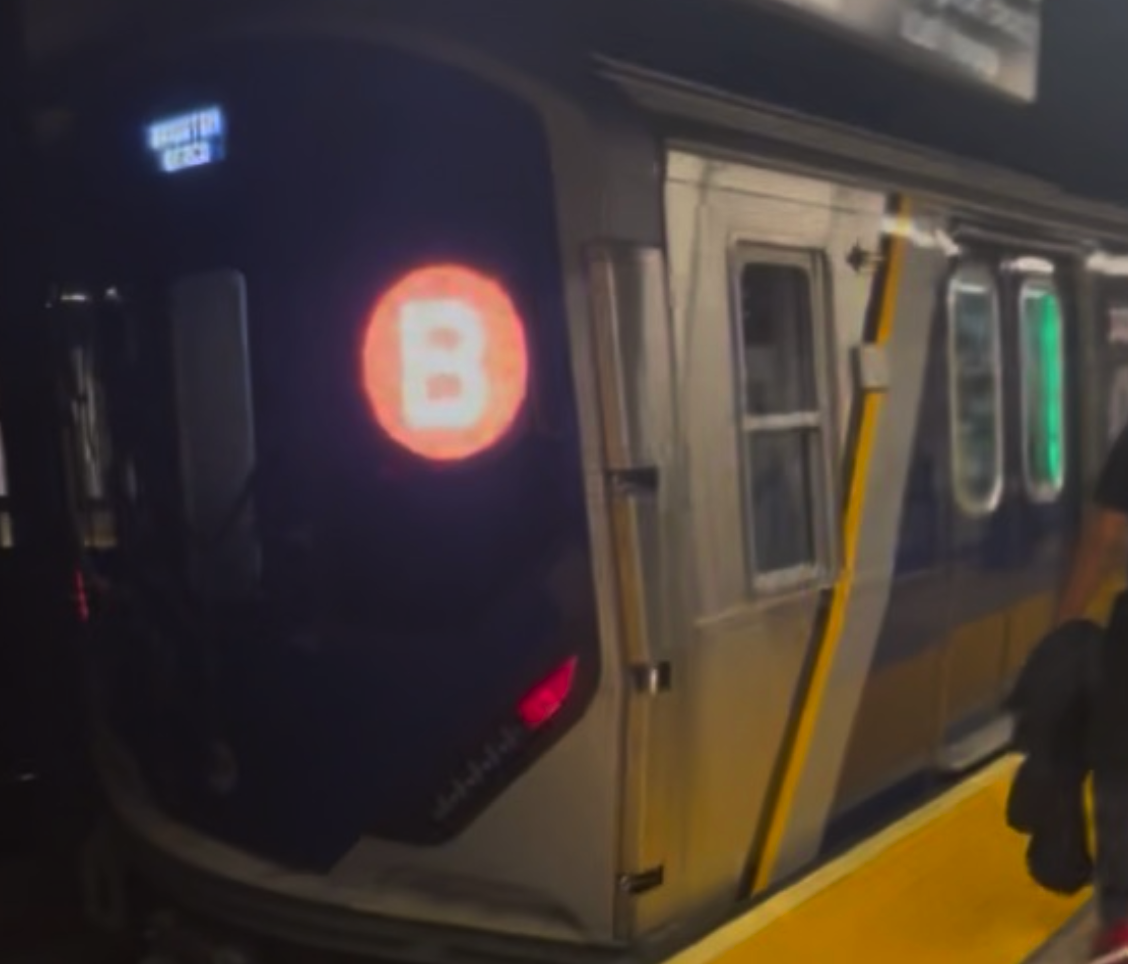

The New York City Subway has been helping people travel around the city for more than 100 years. It first opened in 1904 and has grown to 472 stations and 25 lines across all five boroughs. Before 2025, some of the oldest train cars still running were the R44 and R46, which were built in the 1970s. The R44’s were specially designed for the SIR, while the R46’s were designed to run on the subway. They used to run on the A, C, G, N, Q, W, SR and SIR.
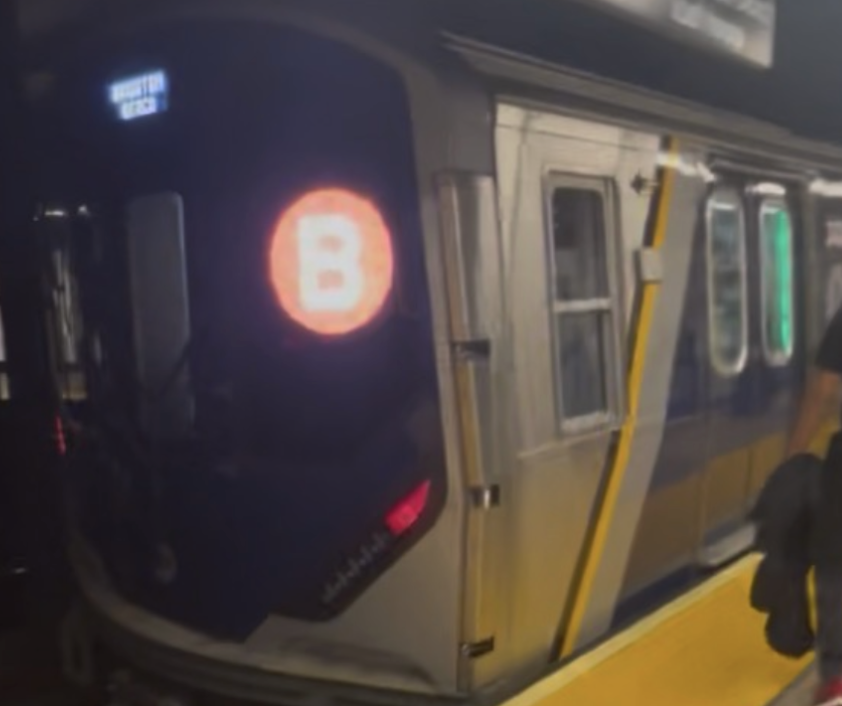
The R211 series is the newest addition to New York City Transit’s rolling stock, built in the early 2020s to replace the aging R44 and R46 fleets, built in the 70’s and operate on the A, C, B, G, SR and SIR lines. The series includes three models:
- R211A: the standard version
- R211S: built for the Staten Island Railway
- R211T: designed with open gangways that allow passengers to move between cars safely
The trains have a lot of upgrades, including wider doors to speed up boarding, bright door-warning lights that alert riders as doors open and close, and digital screens that display announcements more clearly than the flip-dot signs used in older New Tech trains like the R160 or R179. Seats can be flipped up to accommodate wheelchair users, and most seating is arranged along the walls to increase standing room.
Other additions include an updated wayfinding system, which uses larger, high-contrast displays to show route information, and expanded security features such as interior cameras. These changes change both the appearance and functionality of the cars, offering riders more visibility, space and accessibility.
The combination of clearer signage, roomier interiors, and accessibility features marks a significant shift from the older subway models’ layout and design. The brighter color palette and lighting give a cleaner-looking atmosphere inside the cars.If you’re interested in seeing the improvements on these new trains, you can visit any station on the A, B, C, or G lines! Then, answer this poll!